Buy laufsporty.eu ?
We are moving the project
laufsporty.eu .
Are you interested in purchasing the domain
laufsporty.eu ?
domain@kv-gmbh.de · 0541-91531010
Buy laufsporty.eu ?
Is the fitness culture serious?
Yes, the fitness culture can be very serious for some individuals. Many people are dedicated to their fitness routines, diets, and overall health goals. They prioritize their physical well-being and make consistent efforts to achieve their desired level of fitness. However, it's important to note that not everyone takes fitness seriously, and some may approach it more casually or as a hobby. **
Where can one still find authentic remnants of Germanic culture before Christianization in our society?
One can still find authentic remnants of Germanic culture before Christianization in our society in various forms. One place to look is in the language, as many English words have Germanic roots. Additionally, traditional Germanic folklore and mythology, such as the stories of Odin and Thor, are still celebrated and studied in modern society. Furthermore, some traditional Germanic customs and rituals, such as the celebration of Yule, have been preserved and continue to be practiced in certain communities. **


Similar search terms for Germanic culture
Top-Angebote
Products related to Germanic culture:
-
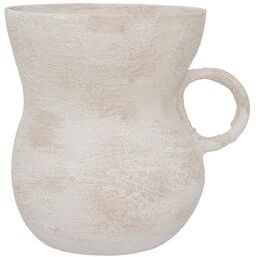
Urban Nature Culture Vase RelaxedQuiet elegancy comes to life in Urban Nature Culture's vase Relaxed. Handmade in Portugal, this ceramic vase has a shape beyond anything you've seen - it's organic, it flows and steals your heart with its playful ear.123,40 $*Shipping: 0,00 $Secure redirect to the provider


-
Were the Germanic people Vikings, or were the Vikings Germanic?
The Germanic people were a group of tribes that lived in Northern Europe, including modern-day Germany, Scandinavia, and the Netherlands. The Vikings were a specific group of people within the broader Germanic culture, known for their seafaring and raiding activities. So, the Vikings were a subset of the Germanic people, and not all Germanic people were Vikings. **
-
Are the Celts Germanic?
No, the Celts are not Germanic. The Celts were a distinct group of people who originated in Central Europe and spread across much of Western Europe, including areas that are now part of modern-day France, Spain, and the British Isles. The Germanic peoples, on the other hand, originated in northern Europe and eventually spread into areas that are now part of modern-day Germany, Scandinavia, and the Netherlands. While the Celts and Germanic peoples may have had some interactions and influences on each other, they are considered to be separate and distinct cultural and linguistic groups. **
-
Were the Greeks Germanic?
No, the Greeks were not Germanic. The Greeks were an ancient civilization that originated in the Mediterranean region, while the Germanic peoples were a group of tribes that originated in northern Europe. The Greeks had their own distinct language, culture, and history, which were different from those of the Germanic peoples. Therefore, it is not accurate to classify the Greeks as Germanic. **
-
What is Germanic Neopaganism?
Germanic Neopaganism is a modern revival of the pre-Christian religious practices and beliefs of the Germanic peoples. It encompasses a variety of traditions and practices inspired by the ancient Germanic cultures, including Norse, Anglo-Saxon, and Continental Germanic traditions. Followers of Germanic Neopaganism often worship a pantheon of gods and goddesses, honor their ancestors, and celebrate seasonal festivals. It is a decentralized and diverse movement, with different groups and individuals interpreting and practicing the faith in their own unique ways. **


What are event culture and time culture?
Event culture refers to the way in which events, such as festivals, concerts, and sporting events, shape and influence a society's values, beliefs, and behaviors. Time culture, on the other hand, refers to the way in which a society perceives and organizes time, including concepts of punctuality, scheduling, and the pace of life. Both event culture and time culture play a significant role in shaping social interactions, traditions, and overall societal norms. **
Are Germans Germanic or Celtic?
Germans are considered Germanic, not Celtic. The Germanic peoples are a group of Northern European tribes that share a common linguistic and cultural heritage. The Celts, on the other hand, were a distinct group of people who inhabited parts of Western Europe, including modern-day France, Ireland, and the British Isles. Germans are descendants of the Germanic tribes that settled in the region that is now Germany. **
Top-Angebote
Products related to Germanic culture:
-
ModernMart Altitude Boost Training Mask For Running, Cardio & Endurance Fitness Altitude Boost Training Mask For Running, Cardio & Endurance FitnessBuilt to push limits, this _training mask_ transforms everyday workouts into highintensity performance sessions. Designed for runners, cyclists, gym athletes, and endurance trainers, it uses adjustable airflow resistance to help strengthen breathing...44,97 $*Shipping: 0,00 $Secure redirect to the provider
-
Inspire Picks 200ml Foldable Sports Water Cup Lightweight Soft Cup For Marathon And Trail Running blueHydrate on the go without carrying bulky gear. This compact 200ml foldable water cup is designed for runners and outdoor athletes who need quick sips without extra weight. Made from soft, flexible material, it collapses flat after use to save space...34,93 $*Shipping: 0,00 $Secure redirect to the provider
-
Is the fitness culture serious?
Yes, the fitness culture can be very serious for some individuals. Many people are dedicated to their fitness routines, diets, and overall health goals. They prioritize their physical well-being and make consistent efforts to achieve their desired level of fitness. However, it's important to note that not everyone takes fitness seriously, and some may approach it more casually or as a hobby. **
-
Where can one still find authentic remnants of Germanic culture before Christianization in our society?
One can still find authentic remnants of Germanic culture before Christianization in our society in various forms. One place to look is in the language, as many English words have Germanic roots. Additionally, traditional Germanic folklore and mythology, such as the stories of Odin and Thor, are still celebrated and studied in modern society. Furthermore, some traditional Germanic customs and rituals, such as the celebration of Yule, have been preserved and continue to be practiced in certain communities. **
-
Were the Germanic people Vikings, or were the Vikings Germanic?
The Germanic people were a group of tribes that lived in Northern Europe, including modern-day Germany, Scandinavia, and the Netherlands. The Vikings were a specific group of people within the broader Germanic culture, known for their seafaring and raiding activities. So, the Vikings were a subset of the Germanic people, and not all Germanic people were Vikings. **
-
Are the Celts Germanic?
No, the Celts are not Germanic. The Celts were a distinct group of people who originated in Central Europe and spread across much of Western Europe, including areas that are now part of modern-day France, Spain, and the British Isles. The Germanic peoples, on the other hand, originated in northern Europe and eventually spread into areas that are now part of modern-day Germany, Scandinavia, and the Netherlands. While the Celts and Germanic peoples may have had some interactions and influences on each other, they are considered to be separate and distinct cultural and linguistic groups. **
Similar search terms for Germanic culture
-
Urban Nature Culture Vase RelaxedQuiet elegancy comes to life in Urban Nature Culture's vase Relaxed. Handmade in Portugal, this ceramic vase has a shape beyond anything you've seen - it's organic, it flows and steals your heart with its playful ear.123,40 $*Shipping: 0,00 $Secure redirect to the provider
-
Urban Nature Culture Vase Talvi - WhiteFloating the sea waves, a sense of calm takes over, feeling at home in the world. That same feeling we get at home, like a safe haven to relax our senses and feast our eyes on our most cherished things.267,80 $*Shipping: 0,00 $Secure redirect to the provider
-
Were the Greeks Germanic?
No, the Greeks were not Germanic. The Greeks were an ancient civilization that originated in the Mediterranean region, while the Germanic peoples were a group of tribes that originated in northern Europe. The Greeks had their own distinct language, culture, and history, which were different from those of the Germanic peoples. Therefore, it is not accurate to classify the Greeks as Germanic. **
-
What is Germanic Neopaganism?
Germanic Neopaganism is a modern revival of the pre-Christian religious practices and beliefs of the Germanic peoples. It encompasses a variety of traditions and practices inspired by the ancient Germanic cultures, including Norse, Anglo-Saxon, and Continental Germanic traditions. Followers of Germanic Neopaganism often worship a pantheon of gods and goddesses, honor their ancestors, and celebrate seasonal festivals. It is a decentralized and diverse movement, with different groups and individuals interpreting and practicing the faith in their own unique ways. **
-
What are event culture and time culture?
Event culture refers to the way in which events, such as festivals, concerts, and sporting events, shape and influence a society's values, beliefs, and behaviors. Time culture, on the other hand, refers to the way in which a society perceives and organizes time, including concepts of punctuality, scheduling, and the pace of life. Both event culture and time culture play a significant role in shaping social interactions, traditions, and overall societal norms. **
-
Are Germans Germanic or Celtic?
Germans are considered Germanic, not Celtic. The Germanic peoples are a group of Northern European tribes that share a common linguistic and cultural heritage. The Celts, on the other hand, were a distinct group of people who inhabited parts of Western Europe, including modern-day France, Ireland, and the British Isles. Germans are descendants of the Germanic tribes that settled in the region that is now Germany. **
* All prices are inclusive of VAT and, if applicable, plus shipping costs. The offer information is based on the details provided by the respective shop and is updated through automated processes. Real-time updates do not occur, so deviations can occur in individual cases. ** Note: Parts of this content were created by AI.